Author: Duncan Adams
Date: Sep 16, 2024
Published By: The Montana Standard
The cleanup crews, for posterity, left a stark reminder of the mining pollution that once choked the life out of Silver Bow Creek.
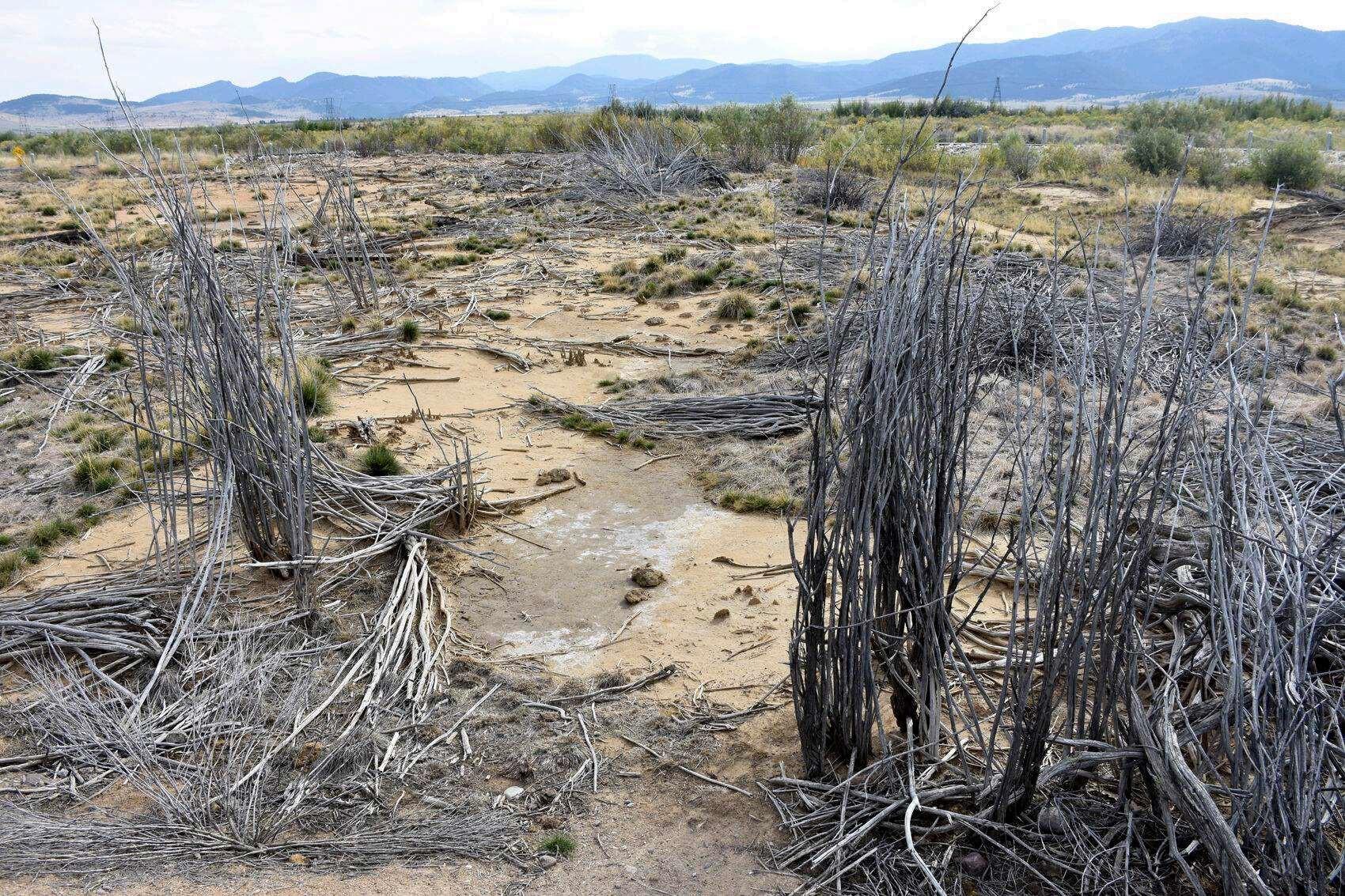
The agencies that tackled the remediation of Silver Bow Creek between 1999 and 2015 opted to leave one small section of floodplain untouched to give a sense of what the creek was like before cleanup. The remediated creek flows nearby through lush riparian vegetation favored by songbirds. Duncan Adams, The Montana Standard
A display of the ghastly consequences for the creek and its floodplain is a short walk from a rejuvenated Silver Bow Creek near the Anaconda rest stop off Montana Highway 1.
A visitor to the exhibit encounters stunted, skeletal willows, bone-white slickens, rotting railroad ties and more, providing a sampling of what prevailed before remediation.
In 1982, EPA proposed adding Silver Bow Creek to its National Priority List of significantly polluted sites. It was listed as a Superfund site in 1983.
Beginning in 1999, state agencies involved in Silver Bow Creek’s ambitious remediation and rejuvenation spent about 16 years and more than $130 million to restore life to the stream and its floodplain. EPA’s role was oversight.
“The 26 miles of Silver Bow Creek reached completion in the summer of 2015,” reported one of those agencies, the Natural Resource Damage Program.
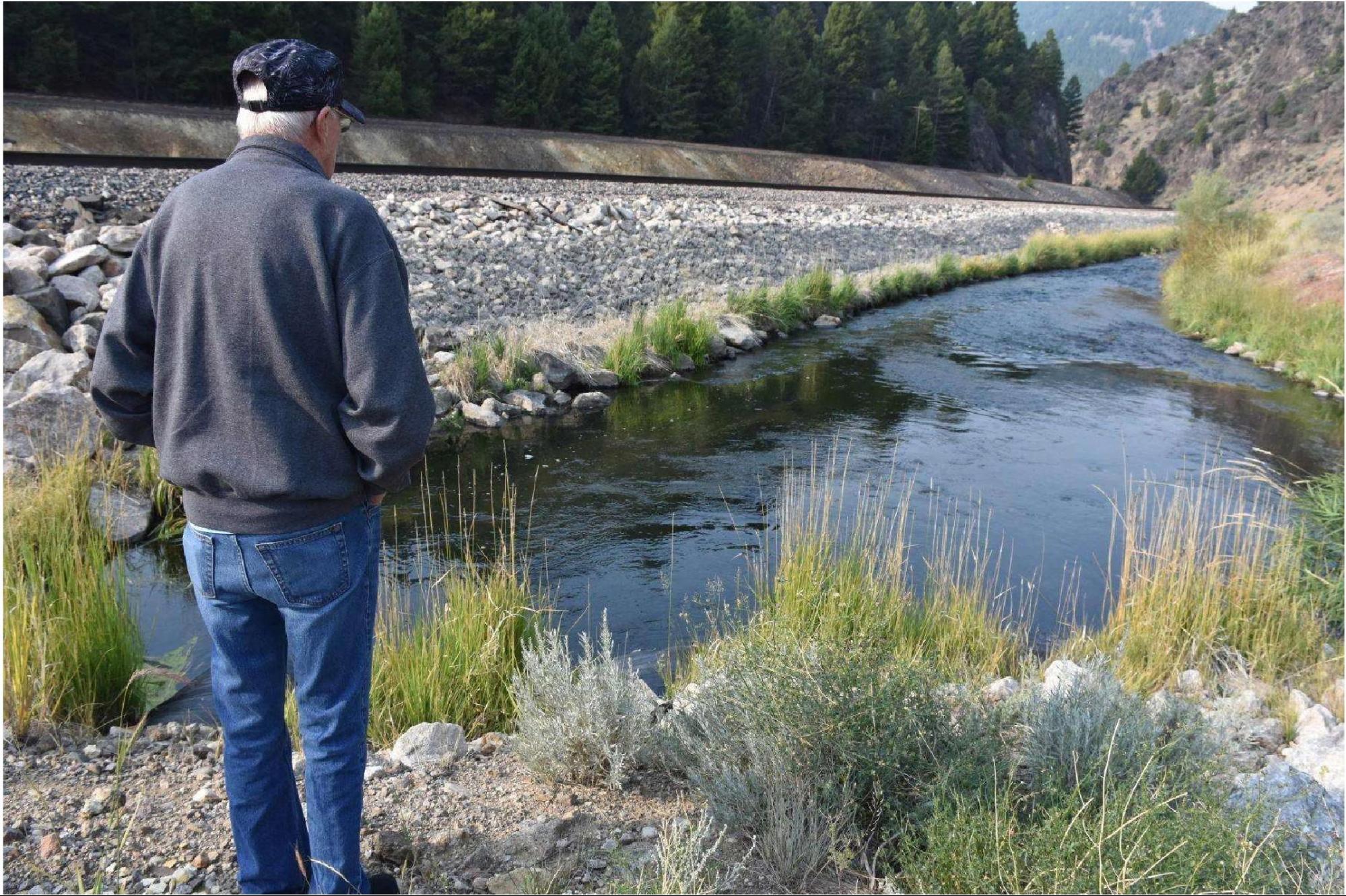
Ron Vaughn of Butte gazes down Silver Bow Creek in August 2021 as the stream flows past active rail lines through Durant Canyon. Research shows westslope cutthroat trout pass through this stretch of creek but do not linger because of warm temperatures and less than ideal riparian habitat. Remediation was constrained in this section because of rail lines. DUNCAN ADAMS, The Montana Standard
But, of course, such an unprecedented endeavor – which required reconstructing the creek channel, restoring riparian vegetation, excavating some six million cubic yards of contaminated tailings and much more – will require ongoing attention and tweaks. (The bed of a full-size pickup holds about 2.5 cubic yards of material.)
In a few stretches, woody vegetation hasn’t taken hold as anticipated. And trout numbers in the creek have risen and fallen without clear answers as to why.
On Thursday, Jessica Banaszak, a project manager for the Montana Department of Environmental Quality, is scheduled to provide an update on the status of Silver Bow Creek and its Superfund Streamside Tailings cleanup. She will be hosted by the Citizens Technical Environmental Committee at the Butte-Silver Bow Archives.
The meeting, which is open to the public, will start at 7 p.m.
Nolan Lister, a DEQ spokesman, said Monday that DEQ project officers “will present a general overview of the Streamside Tailings project, including the completed remedy, current status and remaining work to be done.”
He said DEQ will provide details on upcoming cleanup-related activities, including “better characterizing groundwater-surface water interaction and addressing vegetation failures,” as well as an update on removal of remaining wastes.
Historically, Silver Bow Creek was a sort of industrial sewer for mining and smelting operations in Butte. Tailings and other wastes washed downstream. A catastrophic 1908 flood piled contamination in depth on the floodplains for Silver Bow Creek and the Clark Fork River.
Observers of the Silver Bow Creek cleanup have said the return of trout to the once essentially barren creek has been miraculous.
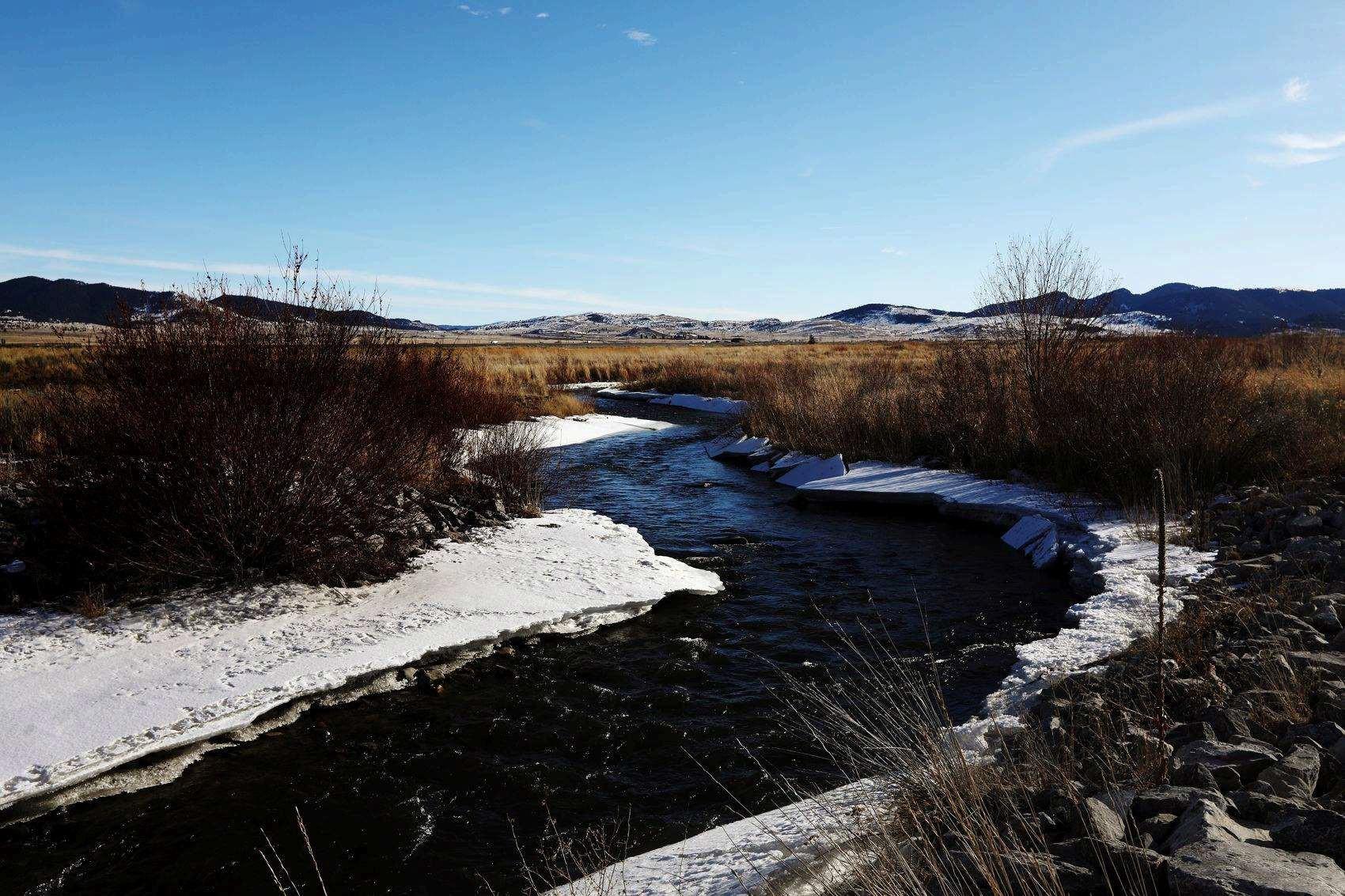
Ice melts in the sunshine, and fields are bare along the banks of a remediated Silver Bow Creek near Montana Highway 1 in this file photo.
Still, Caleb Uerling, a fisheries biologist for Montana Fish, Wildlife & Parks, has said life isn’t easy for trout in Silver Bow Creek.
The stressors include warm water when summer heat bakes, along with dewatering, lower flows, lack of shade in stretches, and a drop in dissolved oxygen. Upstream and groundwater sources of toxic metals remain, and nutrient pollution likely plays a role by stimulating growth of aquatic plants associated with oxygen depletion. Climate change is in the mix.
Meanwhile, most people agree Silver Bow Creek corridor’s most scenic stretch for its 26 miles between Butte and the Warm Springs Ponds passes through Durant Canyon.
As will the Silver Bow Greenway once full access through the canyon is negotiated. That hasn’t happened yet, according to Dori Skrukrud, a community development coordinator for Butte-Silver Bow County.
“Access has been difficult,” she said Monday. “We have a master agreement in place with RARUS Railroads for the canyon, but with new contacts at its mother company, Patriot Rail, it has been slow in bringing them up to speed on the project, as anyone that had any knowledge of the project is no longer with Patriot.
“Somewhat frustrating, but we continue to work on Durant Canyon,” Skrukrud said.
A loyal constituency has embraced the Silver Bow Greenway’s available stretches. Greenway users walk or bike along what’s been built and savor the access to flora, fauna, exercise and relative solitude. Teachers, community volunteers and employees of Montana Fish, Wildlife & Parks use greenway assets for educational outings for students.
The Natural Resource Damage Program and its Advisory Council have balked at allocating more money for recreational projects when needs remain for aquatic and terrestrial restoration work. Skrukrud and others contend the greenway is more than simply a recreational asset; they suggest it also provides a sort of “institutional control” for the Superfund remedy.
The greenway has sought more in grant funding than NRDP, the council and Trustee Restoration Council have been willing to allocate. They urged the greenway to seek other funding sources.
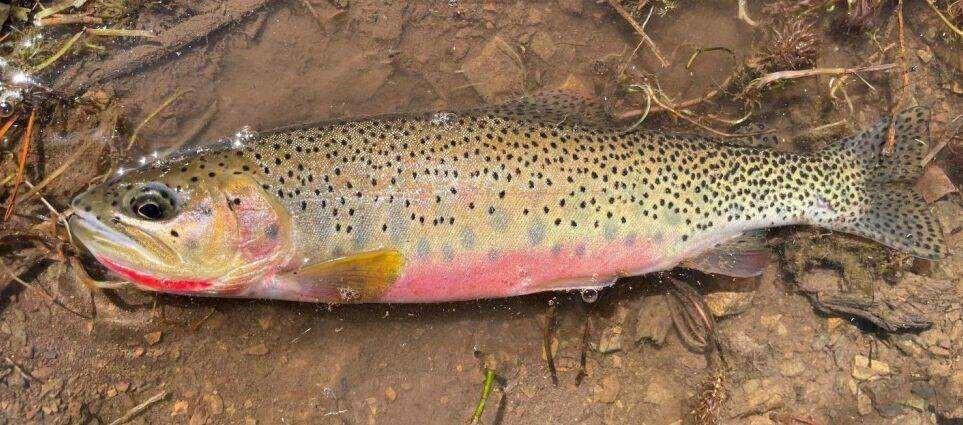
Westslope cutthroat trout are native to the Missouri River basin in Montana, as well as the Kootenai and Clark Fork rivers. When a westslope cutthroat was discovered in Silver Bow Creek in 2007 it provided evidence that remediation of the creek was paying off. MONTANA FWP
For now, actual field work has stalled.
“We have not had any construction this year,” Skrukrud said. “We have been refining our plans to fit within the grant budget and looking for partners to relieve some of the financial stress on the project.”
As envisioned, when complete, the Silver Bow Greenway will stretch some 26 miles from Butte to the Warm Springs Ponds. Most of the greenway will follow the course of Silver Bow Creek.
Wildlife, including a variety of bird species, has returned in large numbers to the creek’s remediated stretches.
Joe Griffin, a longtime Superfund watchdog and member of CTEC and a former DEQ employee, refers to Silver Bow Creek as “Butte’s own river.”