
Operable Unit Information
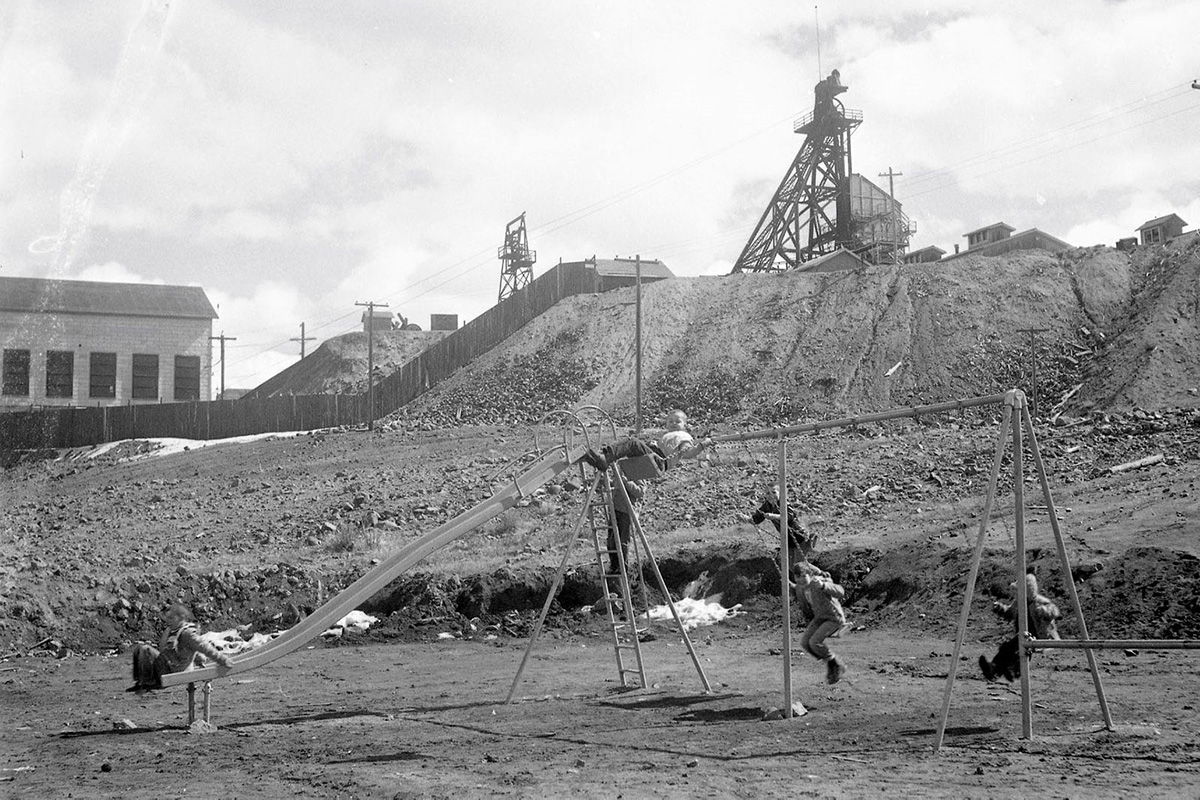
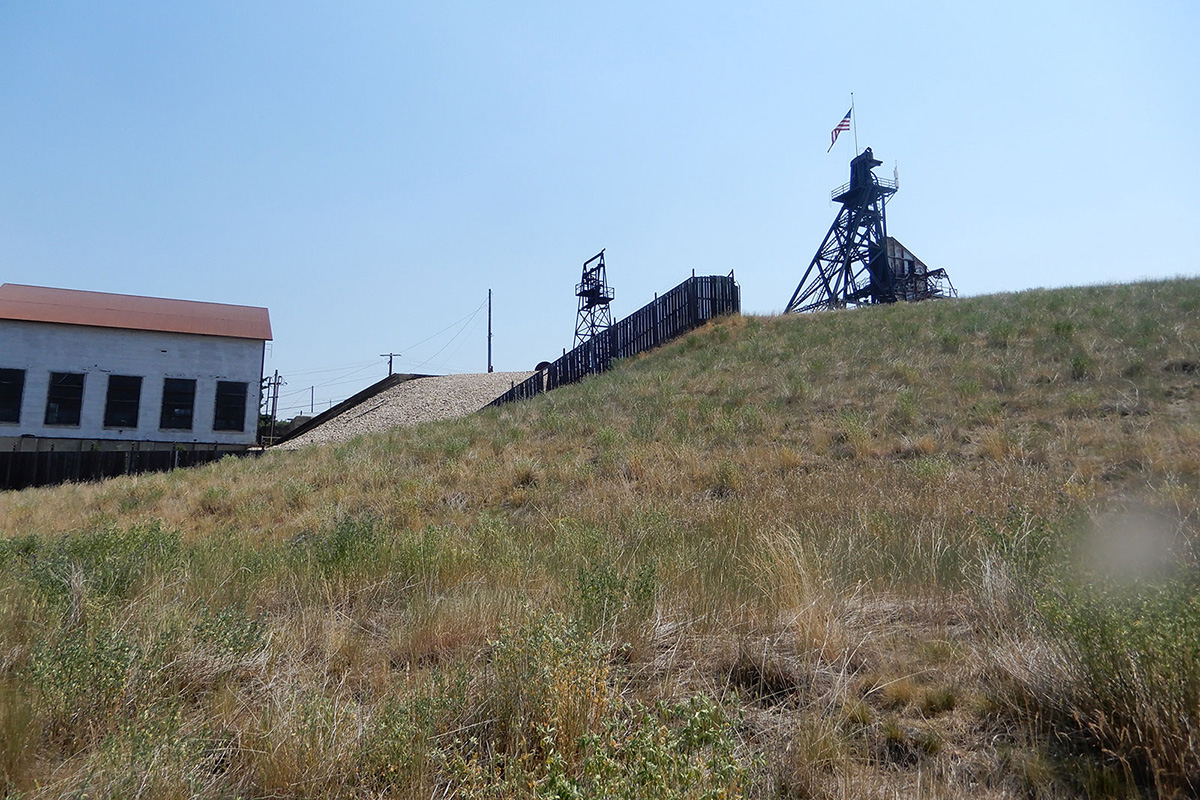
Butte is the Mining City, literally built in the midst of the mines. Families built their homes scattered amongst the mines on the “Hill” and amongst the many waste rock dumps that contain contaminants.
The EPA’s early work at this operable unit was to ensure that those dumps were covered in clean soil and an overlying cover of protective vegetation. The EPA, in collaboration with DEQ, Atlantic Richfield and Silver Bow County established the Residential Metals Abatement Program (RMAP) to protect residents' health by cleaning up yards and homes that are contaminated by arsenic, lead and mercury.
Because lead (Pb) is one of the primary contaminants of concern, CTEC suggests getting children’s blood lead tested through family physicians or through the free Butte-Silver Bow County lead program.
In 1997, Atlantic Richfield began remediating Silver Bow Creek by excavating the Colorado and Butte Reduction Works Tailings, reconstructing a clean streambed and floodplain and installing a system to capture and treat contaminated groundwater that was degrading the Creek. That work continues.
As with any city in Montana, Butte has a stormwater problem. But it is complicated here because the extensive mine waste contribute high levels of arsenic, cadmium, copper, lead and zinc to the urban storm-drain system that drains to Silver Bow Creek. Under the current Superfund cleanup program, Atlantic Richfield is constructing an extensive system of stormwater ponds that will act as catchment basins and function like wetlands to mitigate those contaminants. The ponds will include recreational amenities such as trails, public venues and playgrounds.
Visit BPSOU's website for an overview of site history, the cleanup to date and designs for the future.
What’s New
Superfund updates.
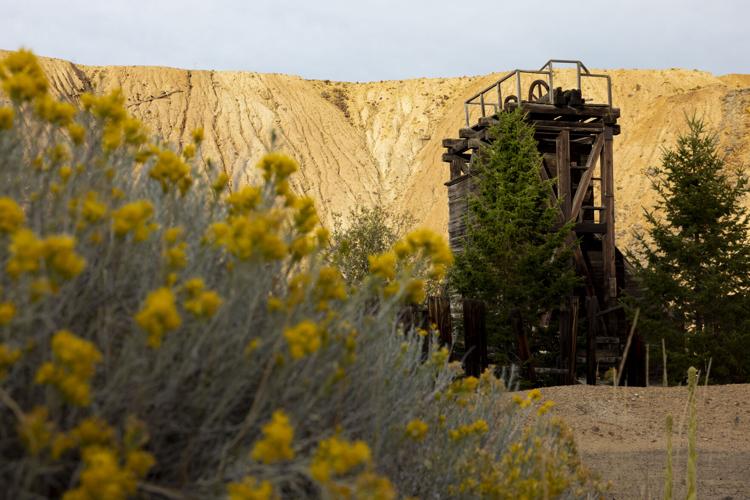
Inside Pilot Butte: Rare Tour Highlights Historic Mine’s Role in Local Present-Day Superfund Cleanup
Headframes towered overhead. Fragments from Butte's once-booming mining industry looked like little more than abandoned campfires strewn across the wasteland of Berkeley Pit overburden. More than 100 people joined for the rare chance to journey down to the...
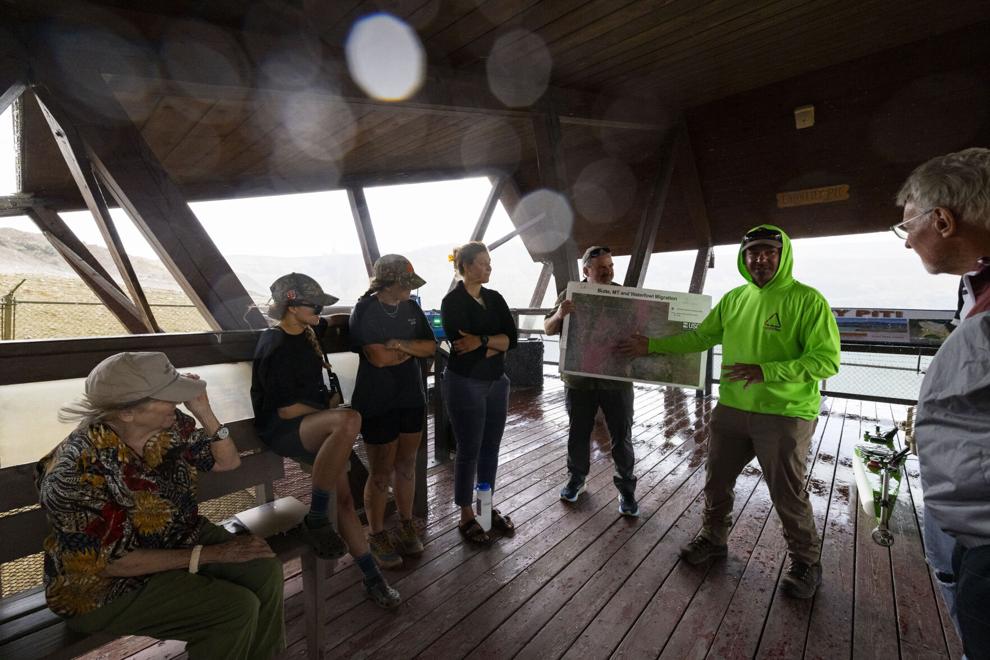
CTEC gives public a look into Berkeley Pit bird-hazing techniques
Turquoise water greeted visitors as they stepped onto the Berkeley Pit viewing stand. The evening sun illuminated rock layers of the former open pit mine. Around 20 people gathered at the viewing stand on July 16 for a presentation on the waterfowl protection...
EPA Residential Lead Proposed Plan Fact sheet (June 2026)
EPA’s fact sheet describing the Proposed Plan to lower residential lead cleanup level and increase the number of homes remediated.