
Operable Unit Information
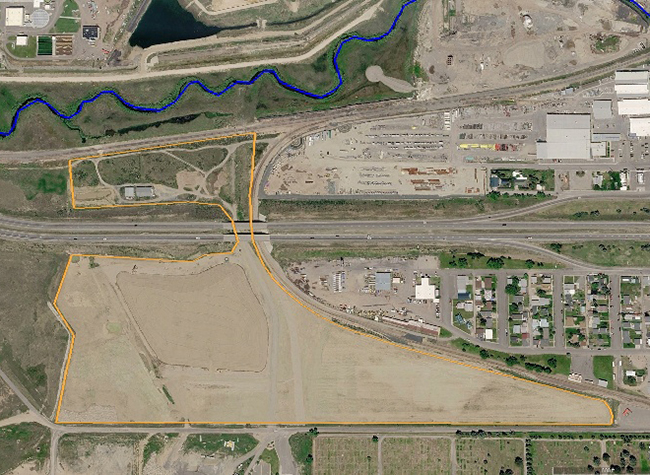
The Pole Plant pressure treated posts, poles and bridge timbers with pentachlorophenol (PCP), using diesel fuel to carry the PCP into the wood surface. The plant operated from 1946 until 1984 and became a Superfund site in 1987 after it was noted that diesel fuel seeping out of groundwater into Silver Bow Creek and causing an obvious oily sheen.
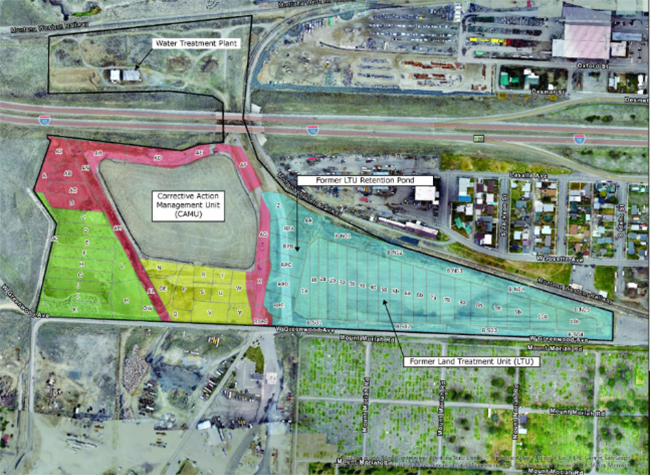
EPA identified PCP, dioxins, furans and polyaromatic hydrocarbons (PAHs) in soil and groundwater as the toxins that EPA decided creates unacceptable risks to human health and the environment. The remedy includes collecting and treating groundwater, treating soils at a land treatment unit (LTU), which uses microorganisms to naturally degrade organic contaminants and a capped waste repository (CAMU) for residual soil contaminants.
Try out DEQ’s Montana Pole and Treatment Plant Story Map for an interactive examination of current site conditions.
What’s New
Superfund updates.
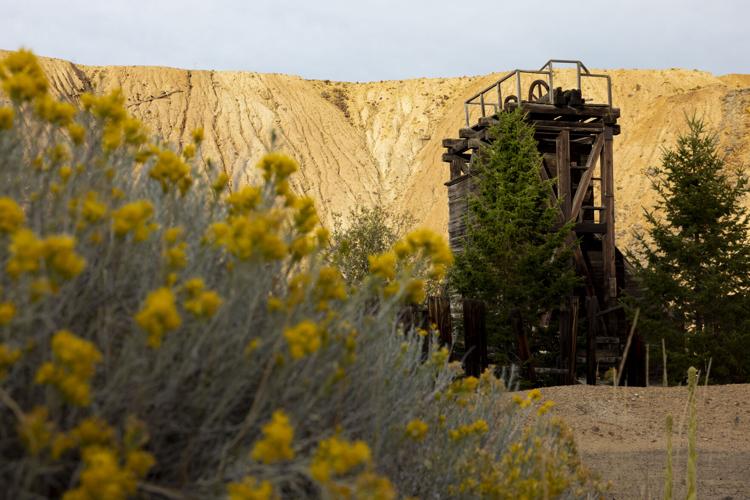
Inside Pilot Butte: Rare Tour Highlights Historic Mine’s Role in Local Present-Day Superfund Cleanup
Headframes towered overhead. Fragments from Butte's once-booming mining industry looked like little more than abandoned campfires strewn across the wasteland of Berkeley Pit overburden. More than 100 people joined for the rare chance to journey down to the...

CTEC gives public a look into Berkeley Pit bird-hazing techniques
Turquoise water greeted visitors as they stepped onto the Berkeley Pit viewing stand. The evening sun illuminated rock layers of the former open pit mine. Around 20 people gathered at the viewing stand on July 16 for a presentation on the waterfowl protection...
EPA Residential Lead Proposed Plan Fact sheet (June 2026)
EPA’s fact sheet describing the Proposed Plan to lower residential lead cleanup level and increase the number of homes remediated.