Operable Unit Information
The origins of the ore and subsequent contamination for the entire Superfund complex, including the Anaconda Smelter and Clark Fork/Mill Town Sediments Sites, are the 10,000 miles of underground workings and the Berkeley Pit with its infamous lake. Underground mining was going full bore by the 1880s but was largely abandoned as the rich copper veins played out and open pit mining proved more economical to extract lower grade ore.
In 1982, Atlantic Richfield, the mine owner, turned off the pumps that kept groundwater out of the Berkeley Pit and underground workings. By 1987, when EPA established the Butte Mine Flooding Operable Unit, the Berkeley Pit had a small but rapidly growing lake that was fed by groundwater flowing through the surrounding underground mine workings.
The EPA determined that cleaning up contamination in the rising water would be technically impracticable, but that the contamination could be managed by keeping water levels below an elevation that would contain it within the mining area, a “protective water level” at 5410 feet above sea level. Water levels are currently being maintained well below that mark by pumping and treating and then releasing the treated water into Silver Bow Creek.
A working group of local, state and federal personnel, plus local citizens, has created an informative website called Pitwatch.
What’s New
Superfund updates.
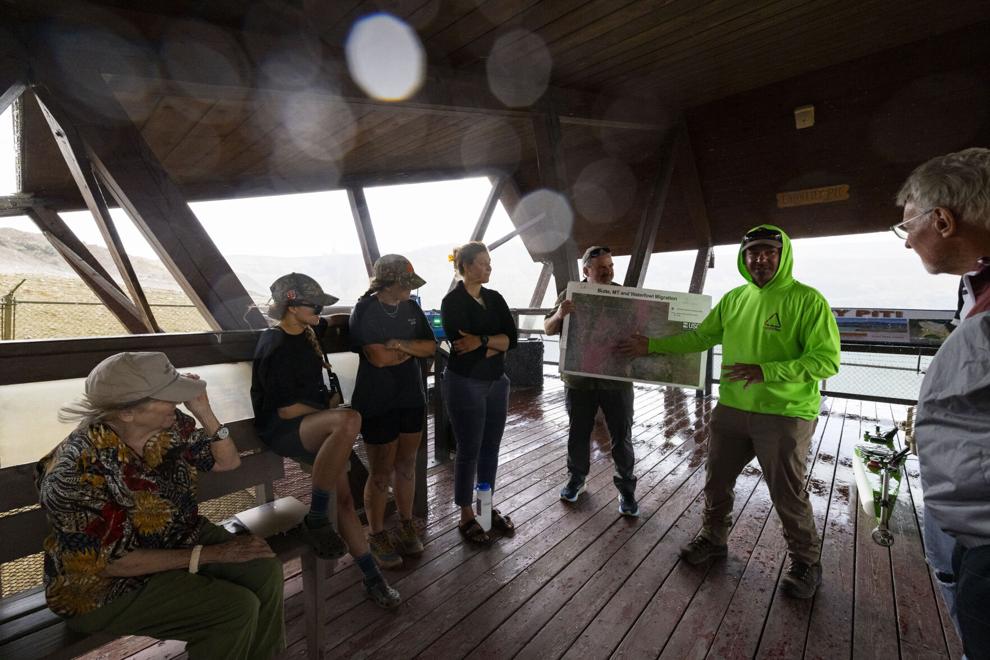
CTEC gives public a look into Berkeley Pit bird-hazing techniques
Turquoise water greeted visitors as they stepped onto the Berkeley Pit viewing stand. The evening sun illuminated rock layers of the former open pit mine. Around 20 people gathered at the viewing stand on July 16 for a presentation on the waterfowl protection...
EPA Residential Lead Proposed Plan Fact sheet (June 2026)
EPA’s fact sheet describing the Proposed Plan to lower residential lead cleanup level and increase the number of homes remediated.
EPA Residential Lead Proposed Plan (June 2026)
Complete document: EPA’s Proposed Plan to lower residential lead cleanup level and increase the number of homes remediated.