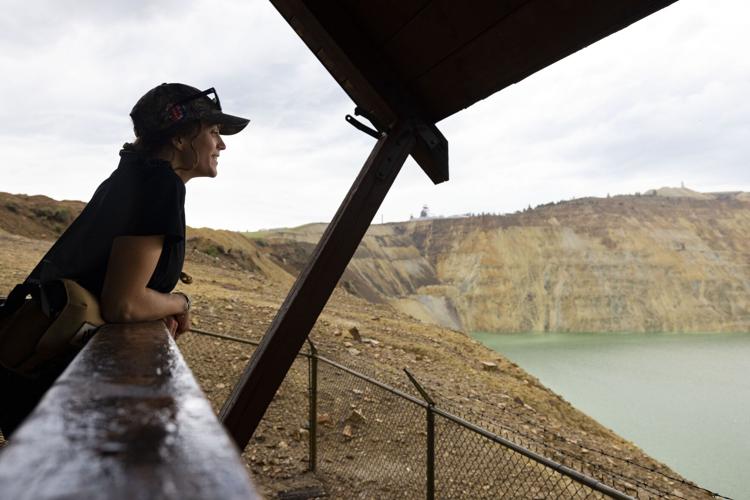
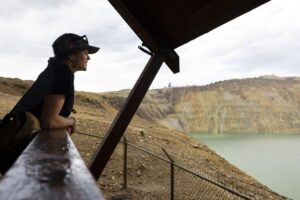
Josie Grigsby looks out at the Berkeley Pit during a presentation on the migratory waterfowl protection program at the pit’s viewing stand in Butte on July 16. Photo Credit: Megan Nielsen, Montana Standard
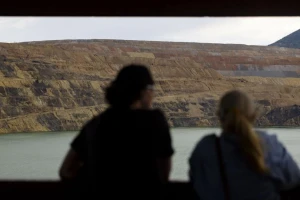
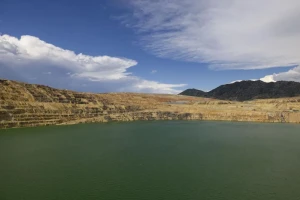
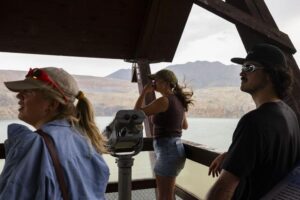
Turquoise water greeted visitors as they stepped onto the Berkeley Pit viewing stand. The evening sun illuminated rock layers of the former open pit mine. Around 20 people gathered at the viewing stand on July 16 for a presentation on the waterfowl protection program.
“It’s a unique place to fall in love with waterfowl and waterfowl science,” said Mark Mariano, a waterfowl protection specialist for the Berkeley Pit Waterfowl Protection Program.
Thousands of migrating snow geese have met untimely deaths in years past by mistaking the 50 billion gallons of highly acidic brew for a good resting spot.
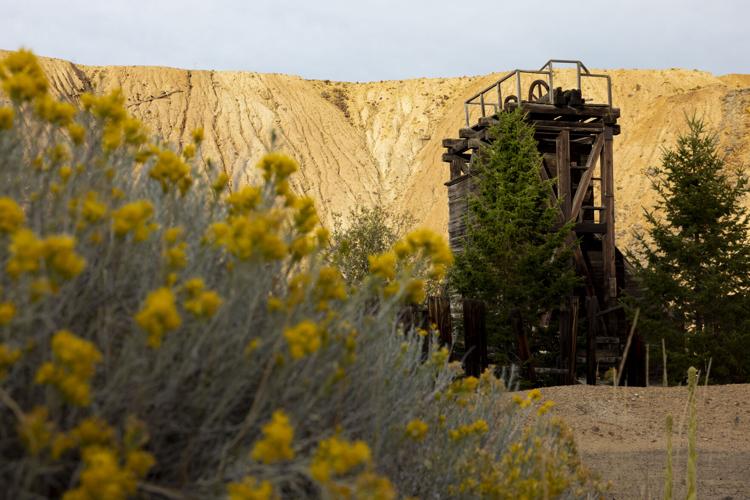
The Berkeley Pit is a man-made cavity formed by 30 years of open-pit mining. When the Anaconda Copper Company closed the mine in 1982, the pumps were turned off, and water began to fill the pit.
The water in the Berkeley Pit contains groundwater contaminated by sulfuric acid, which breaks down other metals and minerals. As a result, more than 21 metals and minerals can be found in the Berkeley Pit’s water, according to PitWatch, a committee that aims to educate the public about the environmental management of the Berkeley Pit.
In 2016, an estimated 3,000 snow geese perished after tens of thousands of geese landed in the Berkeley Pit ahead of a snowstorm.
Since 2016, efforts to keep waterfowl off the pit have become increasingly sophisticated and effective, reports suggest.
“We’ve done some really cool work figuring out what specifically causes birds that would normally be flying over us to want to land in the worst rest place they could possibly pick,” Mariano told the group.
Mariano was joined by Jeremy Fleege, an environmental engineer for Montana Resources, and Ian Fairweather, president of Fairweather IT and AppSciTec.
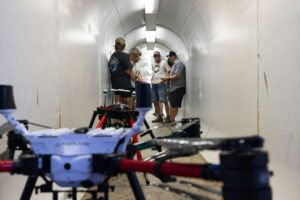
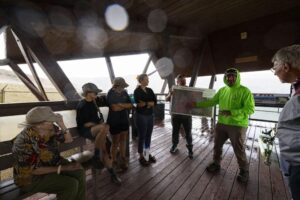
The presentation explored ongoing research and data collection on migratory birds; hazing methods ranging from propane cannons and high-powered, handheld lasers to a suite of remotely operated vehicles designed specifically for waterfowl protection at the Berkeley Pit; and gave attendees the opportunity to ask questions and see some of the technology up close.
While most waterfowl migration occurs during the spring and fall, the Waterfowl Protection Program operates every day of the year. Those involved boast the program is 99.8% successful at hazing waterfowl safely off the Berkeley Pit.
Citizens Technical Environmental Committee, a group whose mission includes informing the public about federal Superfund cleanup in Butte, hosted the event.
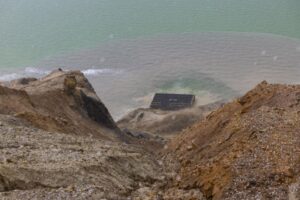
Not long into the presentation, the sun was shrouded by clouds and hail began to batter the viewing stand — a weather phenomena that did not succeed in hazing attendees away from the presentation.
This article was originally photographed and written by Megan Neilsen and published in the Montana Standard on Jul 23, 2026. The original article can be found at the following link https://mtstandard.com/news/local/article_46dd1564-baf3-4d02-8a1d-dc75eae4aa10.html. Megan is a photojournalist and staff photographer for the Montana Standard. Learn more about Megan and view her work at meganbeth.smugmug.com.
-

- Joe Griffin, president of the Citizens Technical Environmental Committee, speaks during a presentation on the migratory waterfowl protection program at the Berkeley Pit viewing stand in Butte on July 16. Photo Credit: Megan Nielsen, Montana Standard
-
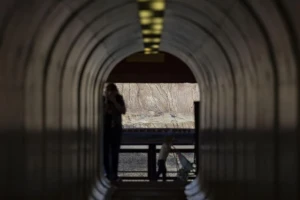
- Attendees look at drones used to haze waterfowl while taking cover from hail in the tunnel leading to the Berkeley Pit viewing stand during a presentation at the Berkeley Pit in Butte on July 16. Photo Credit: Megan Nielsen, Montana Standard
-
- The Berkeley Pit from the viewing stand in Butte on July 16. Photo Credit: Megan Nielsen, Montana Standard
-
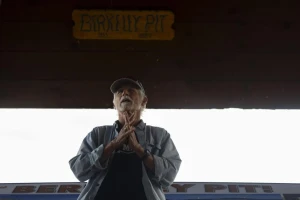
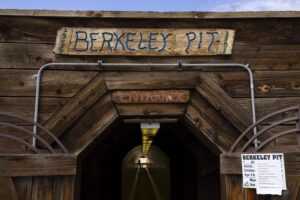
- The entrance to the Berkeley Pit viewing stand in Butte on July 16. Photo Credit: Megan Nielsen, Montana Standard
-
- Josie Grigsby looks out at the Berkeley Pit during a presentation on the migratory waterfowl protection program at the pit’s viewing stand in Butte on July 16. Photo Credit: Megan Nielsen, Montana Standard
-
- From left, Katie Pellicore, Lauren Oliver and Brett Oliver listen during a presentation on the migratory waterfowl protection program at the Berkeley Pit viewing stand in Butte on July 16. Photo Credit: Megan Nielsen, Montana Standard
-
- Mark Mariano, waterfowl protection specialist for Fairweather IT and AppSciTec, gives a presentation on the migratory waterfowl protection program at the Berkeley Pit viewing stand in Butte on July 16. Photo Credit: Megan Nielsen, Montana Standard
-
- The tunnel leading to the Berkeley Pit viewing stand in Butte on July 16. Photo Credit: Megan Nielsen, Montana Standard
-
- Water gushes into the Berkeley Pit after a hail storm at the Berkeley Pit viewing stand in Butte on July 16. Photo Credit: Megan Nielsen, Montana Standard
-
- From left, Brett Oliver and Katie Pellicore look out at the Berkeley Pit during a presentation on the migratory waterfowl protection program at the viewing stand in Butte on July 16. Photo Credit: Megan Nielsen, Montana Standard